Modern human civilization is built on movement. Before the industrial revolution, traveling long distances took weeks, if not months. The invention and continuous evolution of trains, automobiles, and airplanes completely redefined how we connect, trade, and explore the world.
1. Trains: The Steel Backbone of Progress
The 19th century introduced the steam locomotive, permanently changing land transportation. Trains made mass transit reliable, fast, and affordable, enabling heavy freight and thousands of passengers to cross continents seamlessly. Today, modern high-speed rail systems continue to offer an eco-friendly, comfortable, and efficient alternative for regional travel.
2. Automobiles: The Freedom of Personal Mobility
The emergence of the automobile in the late 19th and early 20th centuries brought individual independence to transportation. No longer tied to fixed rail lines or rigid schedules, people gained the freedom to choose their own timing and routes. Automobiles reshaped infrastructure, fostered suburbia, and created vast global industries. Today, the transition toward electric and autonomous vehicles marks a major leap toward cleaner road transport.
3. Airplanes: Conquering the Skies
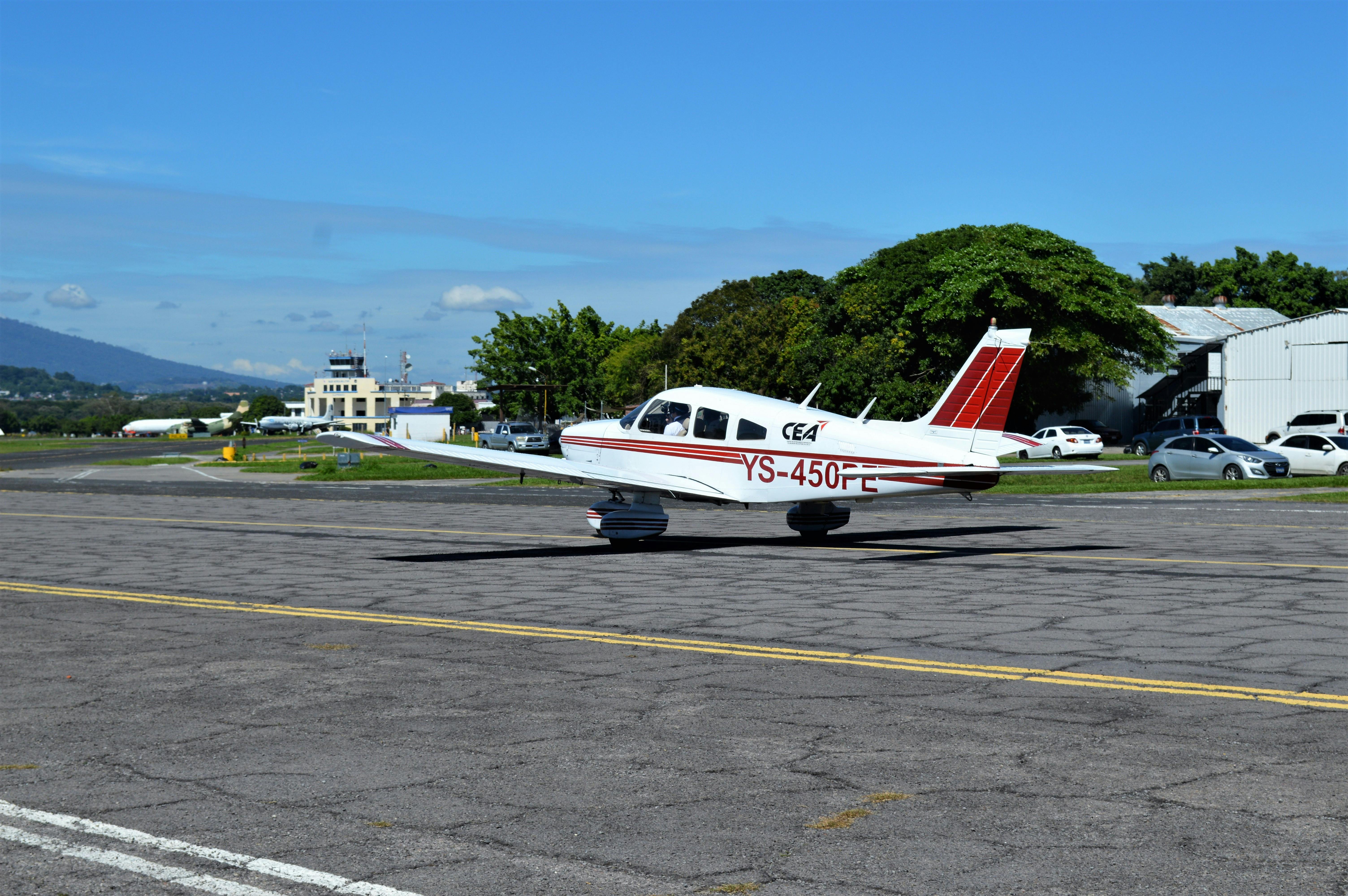
When the Wright brothers took flight in 1903, they unlocked a whole new dimension. Airplanes shrank the planet, turning month-long journeys across oceans into flights lasting just hours. Aviation turbocharged international business, global tourism, and cross-cultural exchange. Flying remains the ultimate symbol of human ingenuity and speed.